
What Is Intestinal Resection?
Intestinal resection is a surgery to remove part of the intestine. Doctors may take out a small or large section, depending on your condition. The intestine is a long tube in your belly that helps digest food. After removing the damaged part, the healthy ends are joined together. This surgery can help treat several health problems. Many people recover well with proper care. Intestinal resection is often called intestinal resection surgery.
Common Symptoms and Conditions Leading to Intestinal Resection
Doctors may suggest intestinal resection if you have certain symptoms or illnesses. Some signs and conditions include:
Some common conditions that may need this surgery are:
Causes and Risk Factors
Many things can damage the intestine and lead to surgery. For example, some causes include:
Some people have a higher risk of needing intestinal resection. Risk factors include:
Diagnosis and When Surgery Is Needed
Doctors use several steps to decide if you need intestinal resection. First, they ask about your symptoms and health history. Then, they may do tests such as:
If tests show serious damage, blockage, or cancer, surgery may be needed. Sometimes, doctors try medicine or other treatments first. However, if these do not work, surgery is the next step.
The Intestinal Resection Procedure: What to Expect
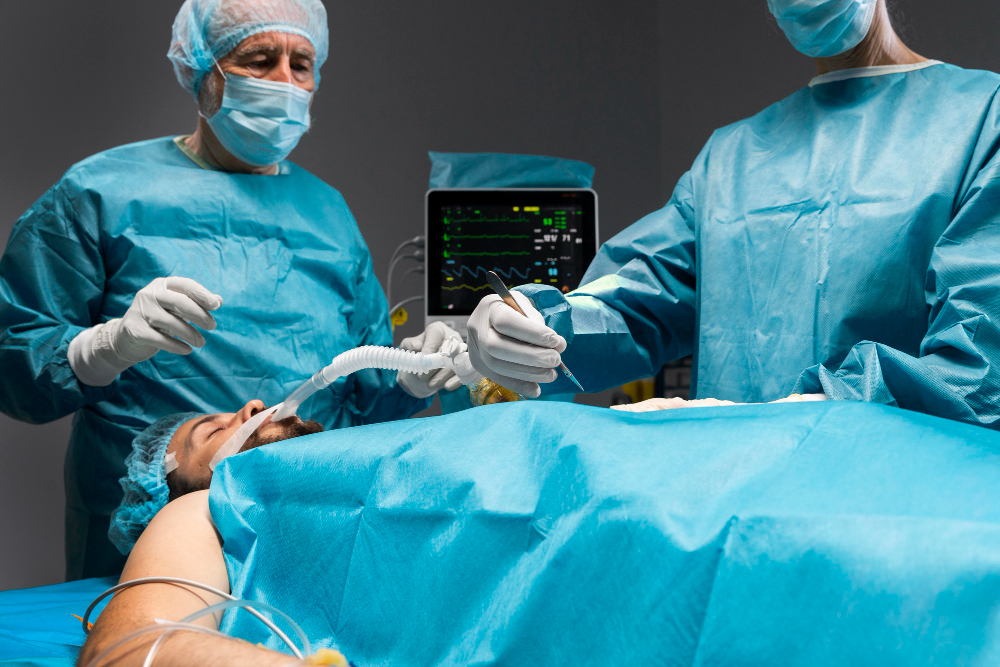
Before surgery, you will meet your doctor to discuss the plan. You may need to stop eating or drinking for a short time. The surgery is done under general anesthesia, so you will be asleep. During the procedure, the doctor removes the damaged part of the intestine. Next, the healthy ends are joined together. In some cases, a temporary opening (stoma) is made in your belly to let waste leave your body. This is called a colostomy or ileostomy. Most surgeries take a few hours. Afterward, you will stay in the hospital for a few days.
Recovery, Aftercare, and Lifestyle Guidance
Recovery after intestinal resection surgery can take a few weeks. While in the hospital, nurses will help you move and eat safely. At home, you should:
Most people can return to normal activities in a few weeks. However, some may need more time. If you have a stoma, a nurse will teach you how to care for it. With good care, many people recover well after intestinal resection. Always ask your doctor about any concerns during your recovery.
Prevention Tips and When to Consult a Doctor
While you cannot prevent all causes of intestinal resection, you can lower your risk. Try these tips:
Sometimes, symptoms like severe belly pain, blood in stool, or sudden weight loss need quick care. If you notice these signs, consult your doctor right away. Early treatment can help prevent serious problems.
Conclusion
Intestinal resection can effectively treat many serious bowel conditions when timely medical care is provided. At HS Hospital, each case is carefully evaluated to plan the most appropriate surgical approach and post-treatment care. With expert management and follow-up at HS Hospital, most patients recover well, though outcomes can vary based on individual health factors.
For personalised guidance and expert care related to intestinal resection, consult the specialists at HS Hospital.