
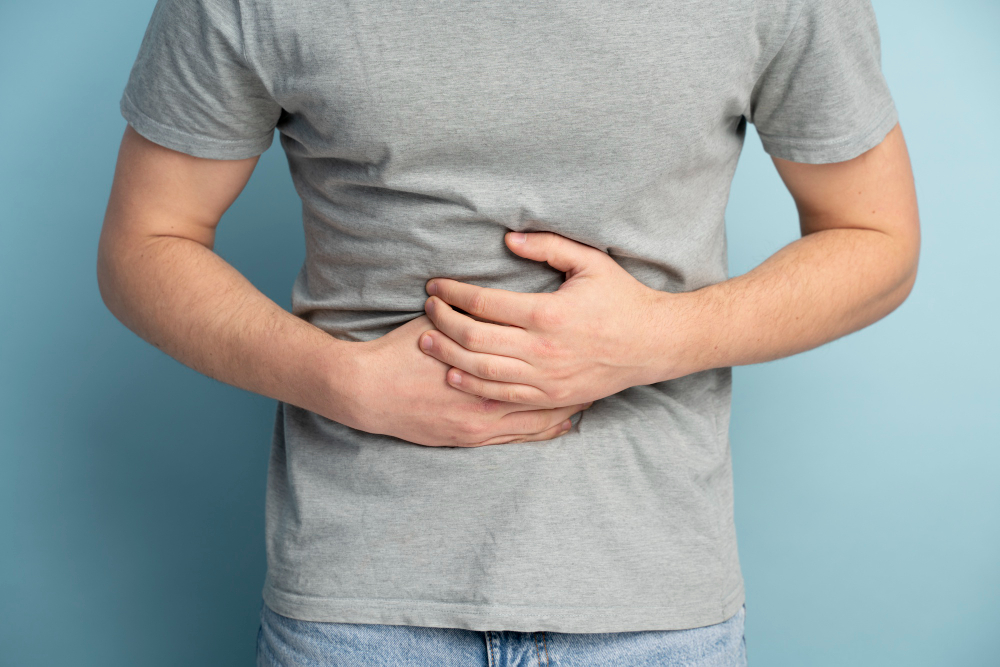
What is Cholecystitis?
Cholecystitis means inflammation of the gallbladder. The gallbladder is a small organ under your liver. It stores bile, which helps digest fat. When the gallbladder becomes swollen or irritated, it can cause pain and other problems. Most often, cholecystitis happens because of gallstones. These are hard pieces that block the flow of bile. Sometimes, infections or injuries can also cause gallbladder inflammation. Both acute cholecystitis (sudden) and chronic cholecystitis (long-term) can affect your health. Early treatment helps prevent serious issues.
Common Symptoms of Cholecystitis
Cholecystitis symptoms can appear suddenly or develop slowly. Recognizing these signs early can help you get the right care. Below are the most common symptoms:
Sometimes, symptoms can be mild at first. However, they may get worse if not treated. If you notice these signs, seek medical advice soon.
Causes and Risk Factors
Most cases of cholecystitis are linked to gallstones. These stones block the tube that carries bile out of the gallbladder. As a result, bile builds up and causes swelling. But, other causes can also lead to gallbladder inflammation. For example, infections, tumors, or injuries may play a role. Certain people are more likely to develop cholecystitis. Here are some common risk factors:
Although anyone can get cholecystitis, knowing your risks can help you take steps to prevent it.
How Cholecystitis is Diagnosed
Doctors use several methods to diagnose cholecystitis. First, they ask about your symptoms and medical history. Next, they perform a physical exam. If cholecystitis is suspected, your doctor may order tests such as:
Early diagnosis helps guide the best treatment. According to the CDC, prompt care can lower the risk of complications.
Treatment Options for Cholecystitis
Treatment for cholecystitis depends on how severe the problem is. In many cases, doctors begin with simple steps. These may include:
If symptoms do not improve, surgery may be needed. The most common surgery is called cholecystectomy. This means removing the gallbladder. Most people recover well after this operation. However, your doctor will explain the risks and benefits. For chronic cholecystitis, lifestyle changes and regular check-ups may help manage symptoms.
Prevention and Lifestyle Tips
While not all cases can be prevented, some steps may lower your risk of cholecystitis. Consider these tips:
Making small changes can help keep your gallbladder healthy. If you have a family history of gallstones, talk to your doctor about your risks.
When to See a Doctor
Cholecystitis can become serious if not treated on time. At HS Hospital, you should seek medical care immediately if you experience severe or persistent abdominal pain, high fever with chills, yellowing of the skin or eyes (jaundice), or repeated vomiting. Early evaluation and treatment at HS Hospital can help prevent complications such as infection or a burst gallbladder.
Never ignore severe symptoms—your health and safety come first. For personalised guidance on cholecystitis and the right treatment approach, consult the specialists at HS Hospital.