
Introduction: What is Colectomy (Colon Surgery)?
Colectomy (colon surgery) is a procedure to remove part or all of the colon. The colon is a long tube in your belly that helps move waste out of your body. Sometimes, doctors need to remove the colon to treat certain diseases. This surgery can save lives and improve health. According to the Centers for Disease Control and Prevention (CDC), colectomy is a common treatment for colon problems. Many people recover well after this surgery.
Indications: When and Why is Colectomy Needed?
Doctors may suggest colectomy (colon surgery) for several reasons. Often, it is needed when other treatments do not work. For example, colectomy can help if you have:
Sometimes, colectomy is the best way to remove disease and prevent further problems. Early treatment can lead to better outcomes.
Types of Colectomy
There are different types of colectomy (colon surgery). The type depends on how much of the colon is removed. Your doctor will choose the best option for your condition. The main types include:
Each type has its own recovery process. However, all aim to remove the problem area and help you feel better.
The Procedure: What Happens Before, During, and After Surgery?
Before colectomy (colon surgery), you will have tests to check your health. Your doctor may ask you to stop eating or drinking for a short time. You may also need to take medicine to clean out your colon.
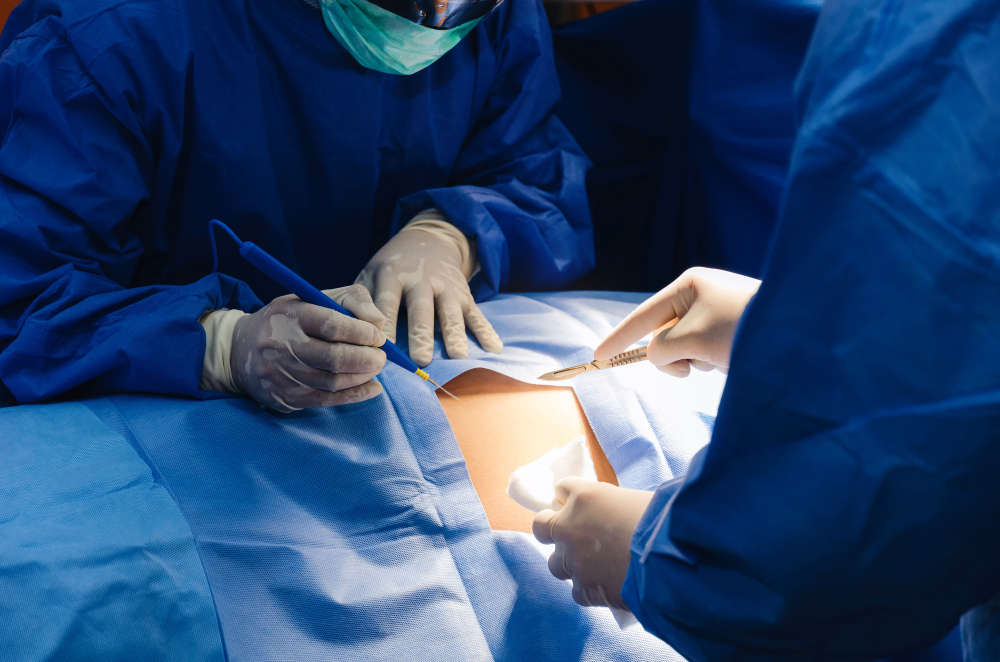
During surgery, you will get anesthesia so you do not feel pain. The surgeon will make small cuts or one larger cut in your belly. Then, they will remove the part of the colon that is causing trouble. Sometimes, the healthy ends of the colon are joined together. In some cases, a temporary opening called a stoma is made for waste to leave your body.
After surgery, you will stay in the hospital for a few days. Nurses and doctors will watch you closely. They will help you manage pain and start eating again slowly. Most people can walk around soon after surgery. Early movement helps with recovery.
Risks and Complications
Like all surgeries, colectomy (colon surgery) has some risks. However, doctors take steps to lower these risks. Common risks include:
If problems happen, doctors can usually treat them quickly. According to the World Health Organization (WHO), most people recover without major issues. Still, it is important to follow your doctor’s advice to lower your risk.
Recovery and Aftercare: What to Expect After Colectomy
Recovery after colectomy (colon surgery) takes time. Most people stay in the hospital for about 3 to 7 days. At home, you may feel tired for a few weeks. But, you will get stronger each day. Here is what you can expect:
For some, a stoma may be needed for a short time. Nurses will teach you how to care for it. If you have questions, ask your healthcare team. They are there to help you through recovery.
Prevention and Outlook: How to Maintain Colon Health Post-Surgery
After colectomy (colon surgery), it is important to keep your colon healthy. You can lower your risk of future problems by:
Most people return to normal activities after recovery. With good care, you can enjoy a healthy life after colon surgery. The outlook is often positive, especially when you follow medical advice.
Consult a qualified surgeon at HS Hospital for personalized advice about colectomy (colon surgery).