
Introduction
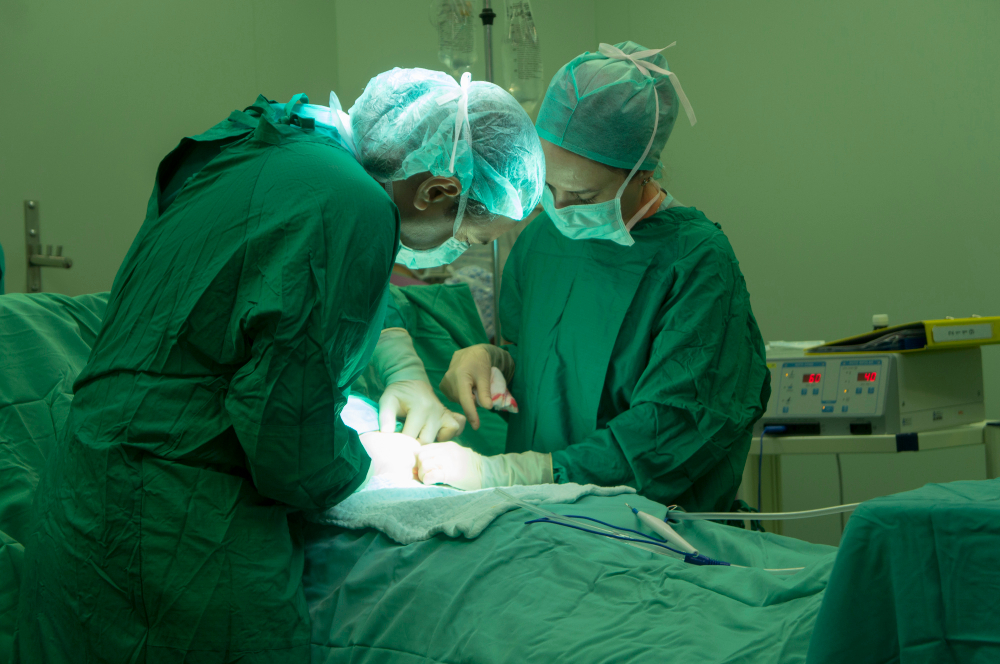
Spleen removal surgery, also called splenectomy, is a procedure to take out the spleen. Doctors may use two main methods: laparoscopic spleen removal and open surgery. Both options have unique steps, benefits, and risks. In this blog, you will learn what spleen removal surgery involves, why it is needed, and how each approach works. You will also discover recovery tips and when to seek help from a specialist.
What Is Spleen Removal Surgery?
Spleen removal surgery is an operation to remove the spleen, an organ that helps fight infection and filters blood. Sometimes, the spleen gets damaged or diseased. In these cases, doctors may recommend surgery. Common reasons for spleen removal include:
According to the CDC, spleen removal is sometimes needed to save a person’s life or improve health.
Laparoscopic Spleen Removal: Procedure, Benefits, and Risks
Laparoscopic spleen removal, also called minimally invasive spleen surgery or laparoscopic splenectomy, uses small cuts and a camera. During the procedure, the surgeon inserts thin tools and a tiny camera through small openings in the belly. The camera helps the doctor see inside and remove the spleen safely.
This method offers several benefits:
However, there are some risks. For example, bleeding, infection, or injury to nearby organs can occur. Not everyone is a good candidate for laparoscopic splenectomy. Sometimes, doctors may need to switch to open surgery if problems arise.
Open Spleen Removal: Procedure, Benefits, and Risks
Open spleen removal, also known as open splenectomy, involves a larger cut in the upper left side of the belly. The surgeon removes the spleen through this opening. This approach is often used if the spleen is very large or if there is heavy bleeding.
Open surgery has some benefits:
But, there are also risks. These include more pain, a longer hospital stay, and a higher chance of infection. Recovery may take longer compared to minimally invasive spleen surgery.
Key Differences Between Laparoscopic and Open Surgery
Both laparoscopic and open spleen removal have the same goal: to remove the spleen safely. Yet, there are important differences:
Your doctor will help choose the best option based on your health and needs.
Recovery and Aftercare Tips
After spleen removal surgery, recovery is important. Most people stay in the hospital for a few days. Laparoscopic splenectomy patients may go home sooner than those who have open surgery. To recover well, follow these tips:
According to the World Health Organization, people without a spleen need extra care to prevent infections. Your doctor may suggest vaccines or antibiotics.
Potential Complications and Prevention
Although spleen removal surgery is usually safe, some problems can happen. These include:
To lower your risk, follow your doctor’s advice. Get all recommended vaccines. Report any unusual symptoms, such as high fever, severe pain, or trouble breathing, right away. Early action can prevent serious issues.
When to Consult a Specialist
If you have a blood disorder, an enlarged spleen, or frequent infections, talk to a specialist. You should also seek help if you have belly pain, unexplained bruising, or signs of infection after surgery. A specialist can guide you on the best treatment and help you recover safely.
Consult a specialist at HS Hospital for personalized guidance on spleen removal surgery.