
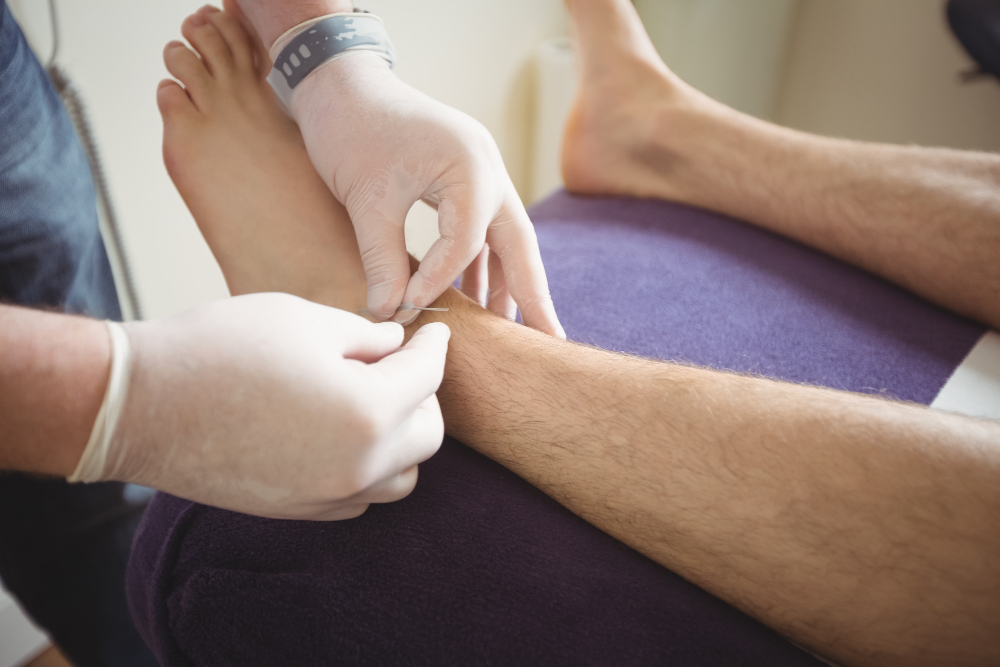
What is Diabetic Foot?
Diabetic foot is a common problem for people with diabetes. It happens when high blood sugar damages the nerves and blood vessels in the feet. As a result, people may not feel pain or notice injuries. Over time, small cuts or blisters can turn into serious wounds. Because of this, diabetic foot can lead to infections or even amputation if not treated early. According to the CDC, caring for your feet is very important if you have diabetes.
Common Symptoms of Diabetic Foot
It is important to know the signs of diabetic foot. Early treatment can prevent serious problems. Look for these diabetic foot symptoms:
However, not everyone feels pain. Sometimes, the first sign is a wound that will not heal. If you notice any of these signs of diabetic foot infection, seek help right away.
Causes and Risk Factors
Diabetic foot develops because of two main problems. First, high blood sugar can damage nerves. This is called neuropathy. Second, it can harm blood vessels, causing poor blood flow. Both issues make it hard for the body to heal wounds. In addition, these risk factors increase your chances:
Because of these risks, regular foot checks are important for people with diabetes.
How Diabetic Foot is Diagnosed
Doctors use several steps to diagnose diabetic foot. First, they ask about your symptoms and medical history. Next, they examine your feet for wounds, swelling, or color changes. Often, they check for feeling in your feet using a soft tool. Sometimes, they may order tests such as:
Early diagnosis helps prevent serious problems. Therefore, regular check-ups are key for people with diabetes.
Treatment Options for Diabetic Foot
Diabetic foot treatment depends on the problem’s severity. For mild cases, simple care may be enough. For serious wounds or infections, more advanced care is needed. Common treatments include:
In addition, controlling blood sugar helps wounds heal faster. According to the WHO, early treatment lowers the risk of amputation.
Prevention Tips and Lifestyle Guidance
Preventing diabetic foot is possible with good habits. Here are some tips on how to prevent diabetic foot:
With these steps, you can lower your risk of serious foot problems.
When to See a Doctor
Sometimes, foot problems need quick medical care. At HS Hospital, you should see a doctor immediately if you notice sores or wounds that do not heal, redness, swelling or warmth in the foot, foul-smelling discharge, sudden pain or loss of sensation, or black or blue skin patches. Early intervention at HS Hospital can help prevent serious infections and reduce the risk of complications, including amputation.
In summary, diabetic foot is a serious but preventable condition. With daily foot care and regular check-ups at HS Hospital, many patients can keep their feet healthy and avoid complications. Consult a specialist at HS Hospital for personalised guidance on diabetic foot care.