
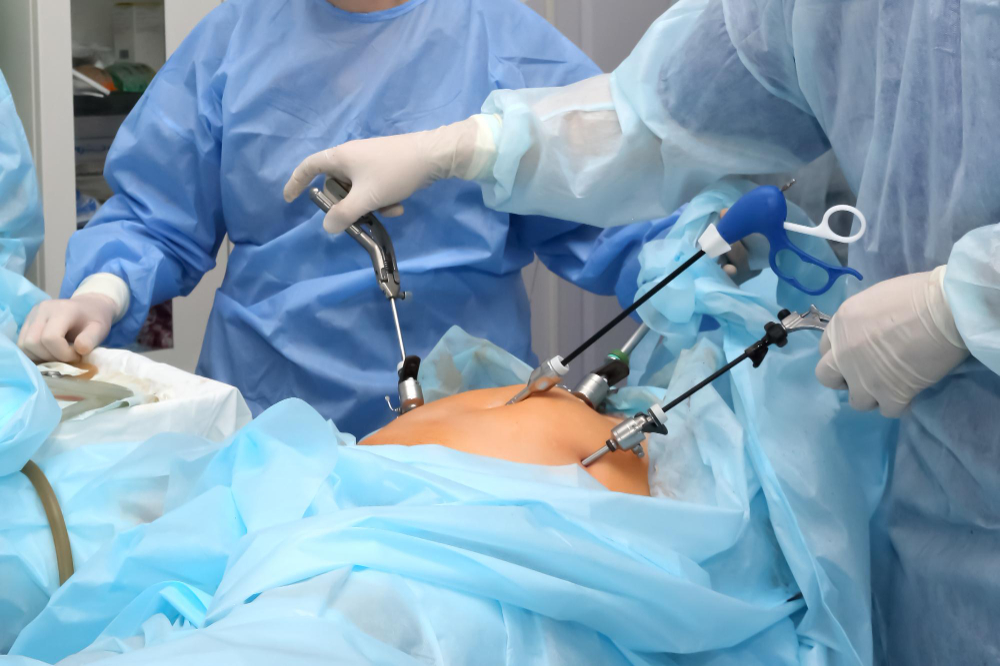
Laparoscopic pancreatectomy is a modern, minimally invasive surgery to remove part or all of the pancreas. Doctors use this technique to treat certain pancreatic diseases, including tumors and cysts. Because it uses small cuts, laparoscopic pancreatectomy is becoming more common in both general and transplant surgery. Many patients now choose this option for its quicker recovery and smaller scars. In this blog, you will learn what laparoscopic pancreatectomy is, who may need it, how it is done, and what to expect during recovery.
What Is Laparoscopic Pancreatectomy?
Laparoscopic pancreatectomy is a surgery where doctors remove part or all of the pancreas using small tools and a camera. Instead of a large cut, the surgeon makes a few tiny cuts in the belly. Through these, they insert a camera and special instruments. This approach is called minimally invasive pancreatic surgery. Doctors recommend this surgery for people with certain pancreatic tumors, cysts, or chronic inflammation. Sometimes, it is also used for transplant purposes.
Indications and Eligibility
Doctors may suggest laparoscopic pancreatectomy for several reasons. Common indications include:
Not everyone is eligible for this surgery. Usually, patients with small or early-stage tumors are better candidates. However, people with large tumors or severe health problems may need a different approach. Your doctor will check your health and medical history to decide if this surgery is right for you.
The Surgical Procedure
During laparoscopic pancreatectomy, the surgeon follows these steps:
Because the cuts are small, there is usually less pain and a faster recovery. Sometimes, the surgeon may need to switch to open surgery if there are problems.
Benefits of Laparoscopic Pancreatectomy
Laparoscopic pancreatectomy offers many advantages over traditional open surgery. These include:
Because of these benefits, more patients and doctors now prefer minimally invasive pancreatic surgery when possible.
Risks and Possible Complications
Like any surgery, laparoscopic pancreatectomy has some risks. However, most problems are rare and can be managed. Possible risks include:
Doctors watch patients closely after surgery to catch and treat any issues early. If you notice fever, severe pain, or unusual swelling, contact your doctor right away.
Recovery and Aftercare
After laparoscopic pancreatectomy, most patients stay in the hospital for a few days. During this time, doctors manage pain and watch for problems. You may start with liquids and slowly return to normal foods. Because the cuts are small, you can often move around sooner. Most people return to light activities within two weeks. However, full recovery may take a month or more. Always follow your doctor’s advice for wound care and medicines. If you have diabetes or need special care, your team will guide you.
Prevention and Lifestyle Tips
While not all pancreatic problems can be prevented, you can lower your risk by:
These steps can help keep your pancreas healthy and may reduce your risk of needing surgery.
Frequently Asked Questions
When to Consult a Surgeon
If you have ongoing belly pain, unexplained weight loss, or a family history of pancreatic disease, talk to your doctor. Early advice can help you get the right treatment. If you are considering minimally invasive pancreatic surgery or have questions about laparoscopic pancreatectomy, consult a qualified surgeon at HS Hospital for personalized advice.