
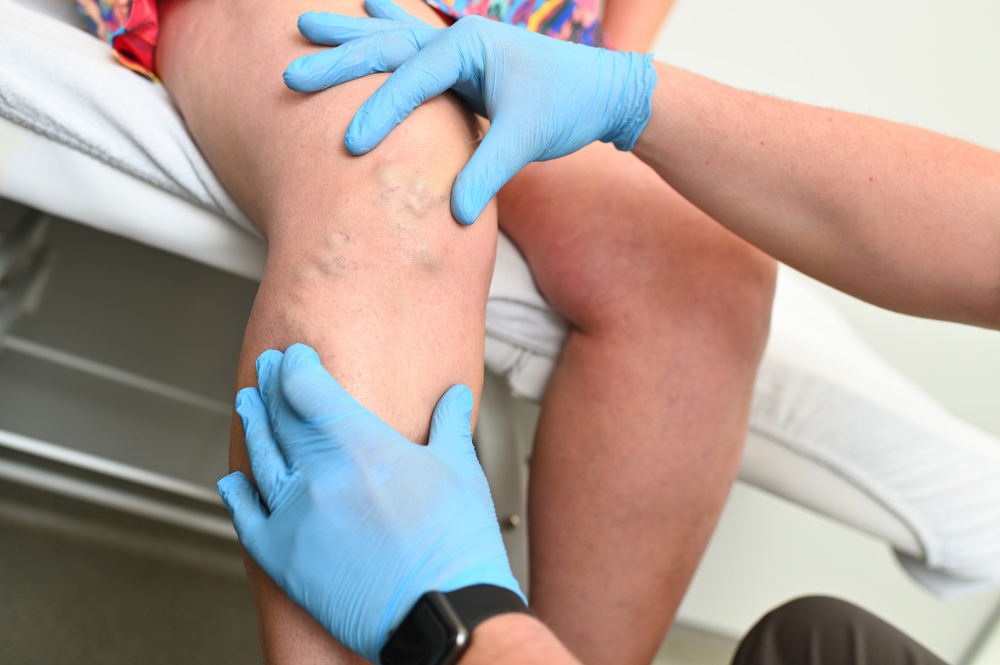
What Are Varicose Veins?
Varicose veins are swollen, twisted veins that often appear on the legs. These veins can look blue or purple. Usually, they bulge just under the skin. Many people notice varicose veins as they get older. In fact, they are a common problem for both men and women. If you have heavy legs or aching, varicose veins may be the cause. Early care can help you find relief and prevent more problems.
Common Symptoms and Signs
Varicose veins can cause many symptoms. Some people may not feel any pain. However, others notice signs such as:
Sometimes, symptoms get worse at the end of the day. For example, standing for long periods can make the discomfort stronger. If you notice these signs, you may want to learn more about varicose veins treatment options.
Causes and Risk Factors
Varicose veins happen when the valves inside your veins do not work well. Normally, these valves help blood flow back to your heart. But when they weaken, blood can pool in your legs. As a result, veins become enlarged and twisted. Several factors can raise your risk, such as:
Even though anyone can get varicose veins, women are more likely to develop them. Lifestyle choices and genetics both play a role.
Diagnosis Methods
If you think you have varicose veins, a doctor can help. First, your doctor will look at your legs and ask about your symptoms. Next, they may use an ultrasound test. This test uses sound waves to check blood flow in your veins. Sometimes, other tests are needed to rule out more serious problems. Early diagnosis can help you find heavy legs relief and avoid complications.
Treatment Options (Medical and Lifestyle)
There are many ways to treat varicose veins. Treatment depends on your symptoms and how severe the veins are. Some common options include:
For many people, simple changes can bring heavy legs relief. However, if symptoms are severe, a doctor may suggest medical treatments. According to the CDC, most treatments are safe and effective.
Prevention Tips and Lifestyle Guidance
While you cannot always prevent varicose veins, you can lower your risk. Try these tips for better leg health:
With these steps, you can support healthy veins and learn how to prevent varicose veins from getting worse.
When to See a Doctor
Sometimes, varicose veins can lead to more serious health problems. You should see a doctor if you notice:
Early treatment can prevent complications. Therefore, do not wait if you have concerns about your veins or heavy legs.
For personalized guidance on varicose veins, consult a specialist at HS Hospital. They can help you find the best treatment and relief for your symptoms.